
Takeaways from NaNoWriMo

National Novel Writing Month (aka NaNoWriMo) is a simple premise.  Write a 50,000 word novella (according to Google the average novel length is around 80,000-100,000 words) in the span of November.  This averages around 1,667 words a day.  I’ve been aware of this for several years, as my brother is an avid participant.  But this year I joined on a lark.  About a couple of days before it started, I got an idea for a story and just decided to take the bit in my teeth and do it.  I wish I could tell you this was going to be a story of triumph, but I ended my November with around 36,500 words.  Hey, but I beat Patrick Rothfuss, and that’s kinda cool.

But more importantly, I learned how I work.

I found that having small concrete goals (the 1,667) helped get me into a pattern.  And when I get into a pattern, it locks nicely.  Typically when I’ve written stories (I have a stack of unfinished scraps dating back to high school) I tended to write all the “cool stuff” first and then expected to go in and piece it all together.  This is rather like every bad action film you see out there today.  And being visually oriented, I also tended to skimp on scenery and descriptions.  However, for the 1,667, I forced myself to do a scene a day and then go back and flesh out the background, the descriptions, and whatever else I cheated on.  I didn’t meet my goal due to the pattern breaking to social obligations, my birthday, and Thanksgiving.  I know they must of picked November for how it goes with the word “novel,” but it’s the worst time to try to write when you’ve got a four day weekend smack in the middle of it that’s dedicated to being social.

Which goes to the next important thing that I’ve learned: that it’s ok to just focus on one thing and fight and scrap for the time to do it.  I’ve always had big picture plans, so I’d have this huge overall goal that I thought I was making concrete steps for like “Become an FX industry professional,” “Break into Concept Art,” “Become an Illustrator” or “Write an epic graphic novel.”  Now you can break those down into concrete goals, don’t get me wrong.  But my vision was too vague, and always I felt like I was grasping for straws because I couldn’t picture exactly what I wanted except “to be successful.”  With NaNoWriMo, I learned it was ok to think small.  Find something you are passionate about, and do it to the fullest.  See where that leads.  I think this is my best answer to Jon Schindehette‘s ArtOrder blog article Crises of Faith.

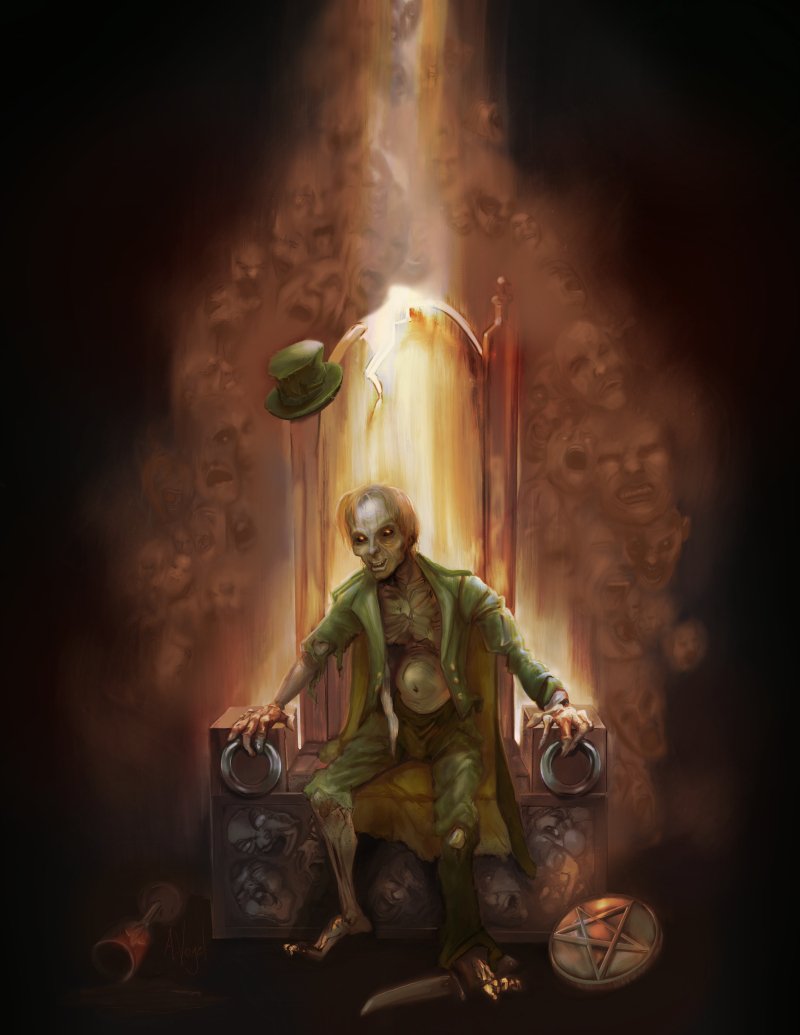
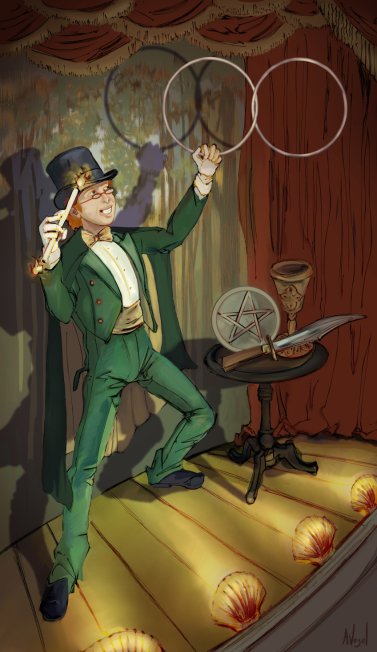
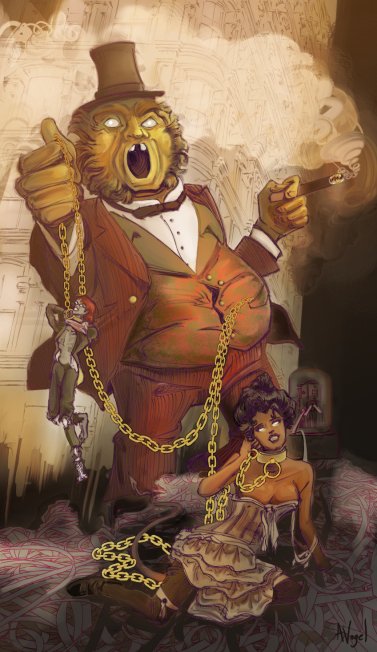
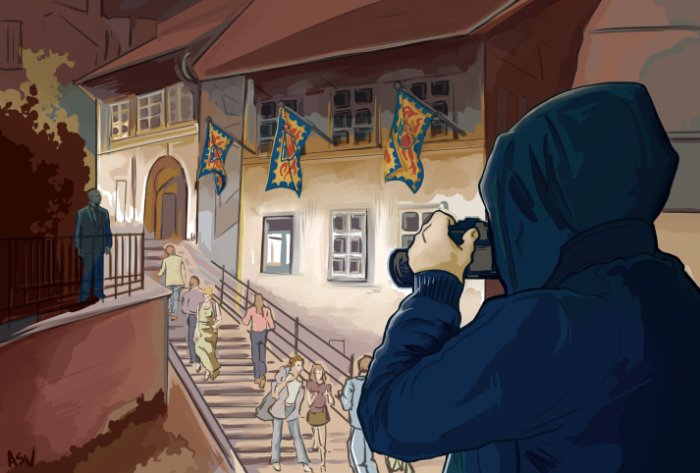
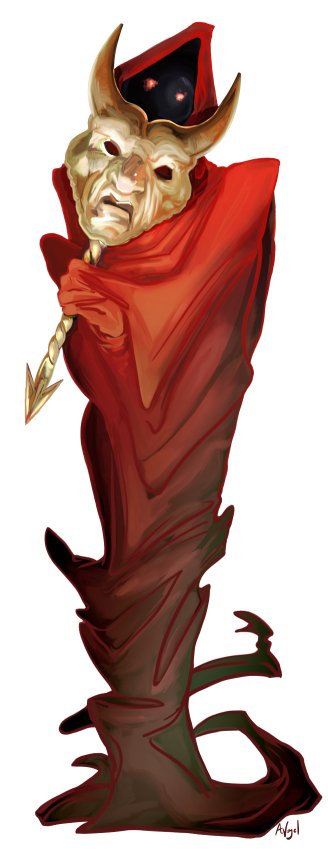
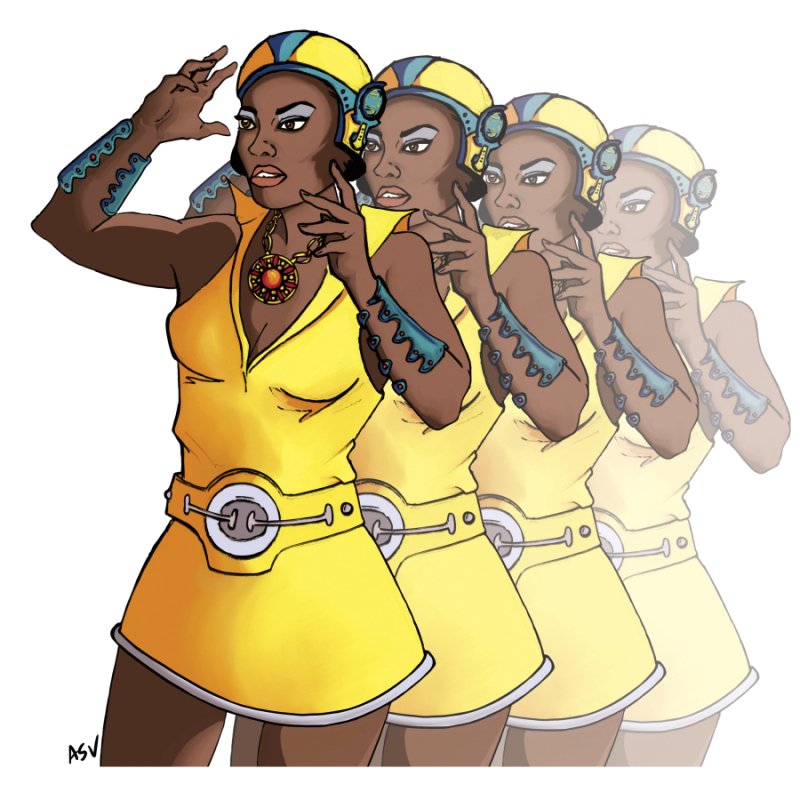
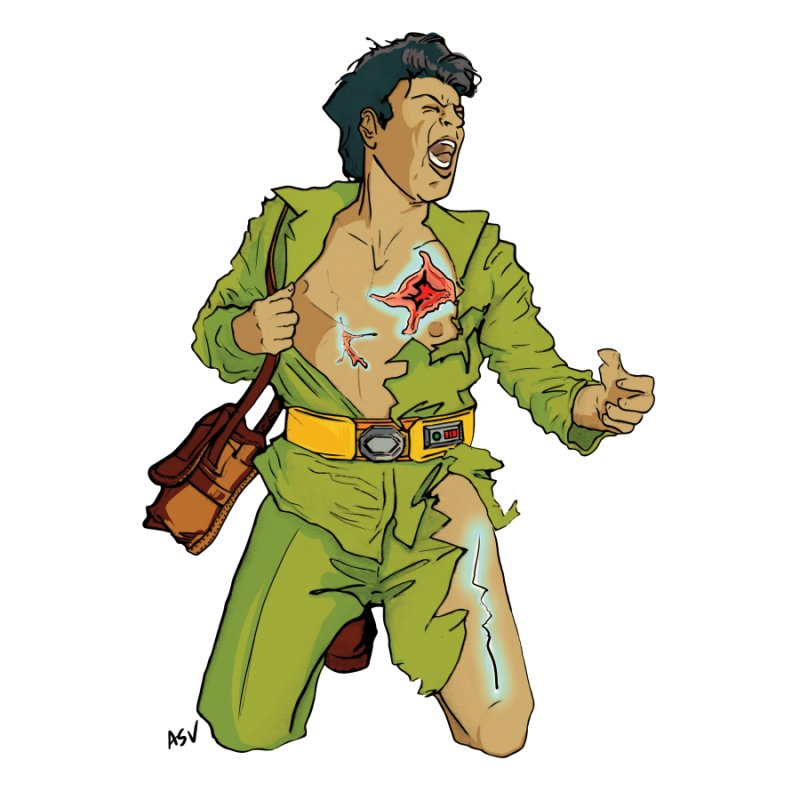
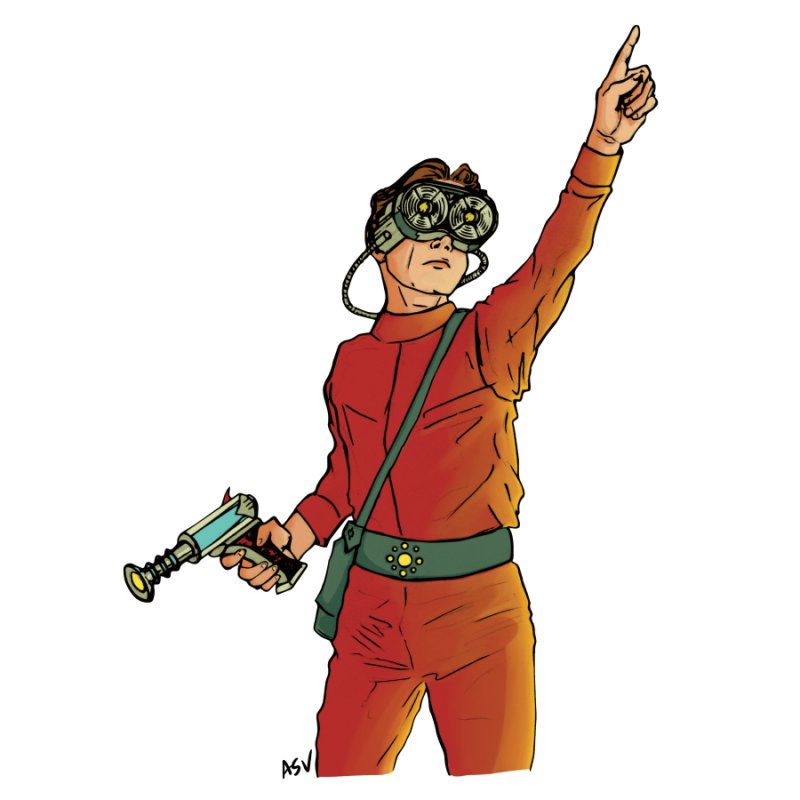
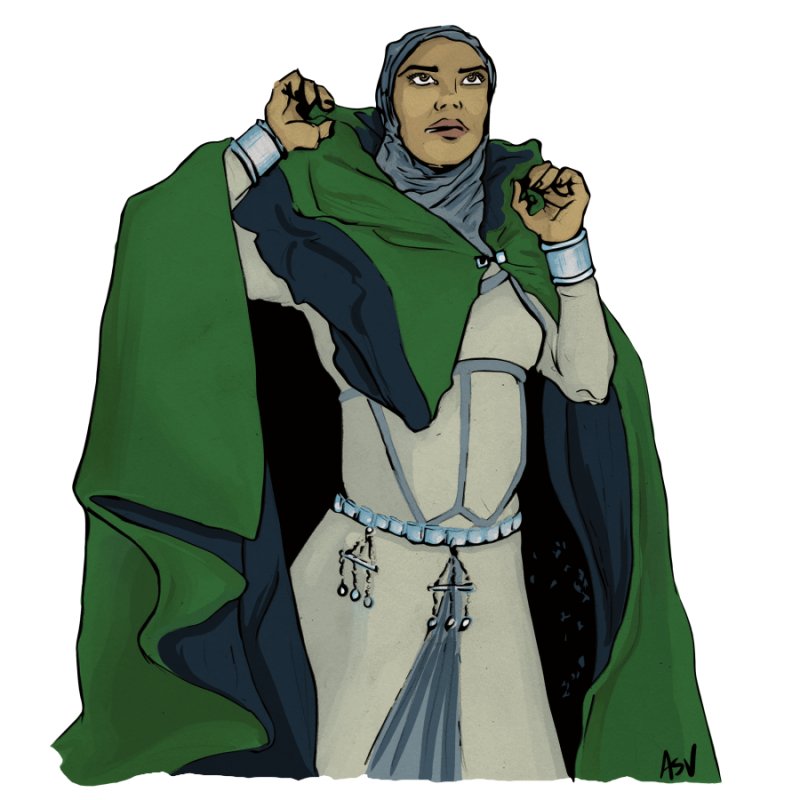
The final takeaway from the NaNoWriMo experience is to keep making small goals.  I’m following a monthly format.  For December, I’ve challenged myself to work on an illustration based on the story I’m writing.  Thumbnails are enclosed in my post, cause everyone likes blogs with pictures, right?  And I’m still writing my story.  I’ve never written 36,500 words of anything, so I’m committed and want to see it through.  I’m currently at 38,500.

I think 2012 is going to be pretty exciting.  I hope you stay tuned as I clean up this website and watch with me on what happens next.

Perspective drawing has always been one of my weak points, and one of the reasons why I tend to work around or outright cheat to avoid creating complex environments.  My drawing education in college was the typical drafting of the cube and the instructors’ expectations to then whip out a complex environment.

I just think there are a few more steps, just sayin’

By great fortune I mentioned this dearth of knowledge to Dr. Michael Roach, an art professor who I’ve maintained contact with over the years.  While he taught photography and digital art, his background included the full academic training in drawing techniques that students now are clamoring for.  Unfortunately, due to the nature of modern academic art’s downgrading of technical skills in favor of theory and defending oneself within the art critic/gallery system (and I’m giving them a lot of favors in granting them that) he was not ever in a position to teach this within the Fine Art department.  *shakes fist at sky*  After finding this out, we arranged a bootcamp in perspective drawing structured in four hour sessions over four days.

We started with the basics.  This should look familiar to most…charting the cube to the vanishing points in four directions relative to the horizon line.

Then here was the critical step for me…visualizing how shapes related to each other as they increased or decreased in the picture plane.  Apologies for the scan.  The picture was quite light and required quite a bit of Photoshop manipulation.  But, here you can see where he demonstrates creating spaced windows and inserting figures realistically within the grid.

During the lesson, I mentioned that I had difficulties creating crowds of people so that got incorporated into my first made-up building.  We joked that it was a store in a speculative strip mall.  Figures were made up on the spot.  My goal was to create small groups which interacted a bit.  I’m not sure what’s up with the sad girl in the corner…I think she might of just broken up with the guy in the foreground.  He didn’t deserve ya!

Afterwards, I transferred the above sketch to flesh out.  Here Dr. Roach taught how to use a ruler, perspective, and a chosen light source to create accurate shadows of the building.  I also applied that as best as I could with the more organic forms, concentrating on shadow as form instead of shape.  He also emphasized creating a “breathing line” with varying widths to avoid creating an overly homogenous technical drawing.

Another series of assignments were geared towards using perspective in a more practical fashion by using the above rules as a visual guideline instead of being wedded to the ruler and grid tools.  To start, I was sent into the field to draw the below downtown office building, but allowed to use the mechanical tools.

With that done, I was sent into the field again to draw this rather ornate house, but without tools beyond a straightedge.  The house is an interesting one, as it was built around the 1840s, and is in the process of restoration.  I took a quick snap while I was out on the front lawn.  You can see the trees added another level of difficulty.  I purposely did not include them so I could concentrate on the geometry of the house.

The resulting pencil sketch after two and a half hours of work:

Step two was to go over the above pencil sketch in ink, using three different widths of pen and shade with either stippling or cross-hatching.  I decided to go with the tedious route of stippling.   I did end up rubber banding three technical pens together.:)   However, the results look great.

That’s my crash course on perspective.  I came in just barely knowing how to make a box, and now I can eyeball a building properly.  And in the process I found that I work much faster than I thought.  All in all a very productive week, and I want to thank Dr. Roach for his time.  He is planning to make an ebook on the topic in the future, which I look forward to promoting.  Currently he has in production with Digital Applejuice an iPhone app tutoring CS5.  In the meantime, check out these links:


Switching over to WordPress.  Stay tuned.